Book Review of Meditations by Marcus Aurelius
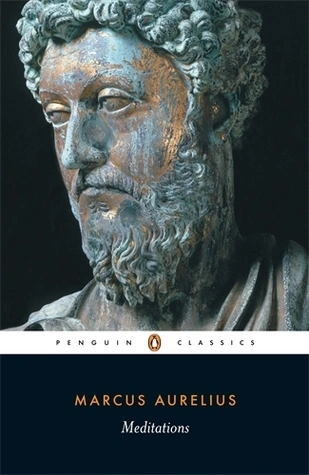
1. Book Information
- Title: Meditations
- Author: Marcus Aurelius
- Original Written: Between 170–180 AD
- First Published: Published posthumously (exact first publication date unknown)
- Original Language: Greek
- Popular English Publisher: Penguin Classics, Modern Library, Dover Publications, Oxford World’s Classics
- Genre: Philosophy, Stoicism, Personal Development, Classical Literature
- Pages: Approximately 254–320 pages (varies by edition)
- Reading Level: Intermediate to Advanced
- Average Reading Time: 8–12 hours
- ISBN: 978-0812968255 (Modern Library Edition)
2. Quick Summary
Meditations is one of the most influential philosophical works ever written and remains a cornerstone of Stoic philosophy. Unlike most classic books, it was never intended for publication. Instead, it is a private journal written by Marcus Aurelius, the Roman Emperor, as a way to reflect on his thoughts, emotions, responsibilities, and personal growth.
Rather than offering structured philosophical lessons, Meditations is a collection of personal reflections on topics such as discipline, resilience, humility, leadership, mortality, and living a virtuous life. Marcus continually reminds himself to focus on what he can control, accept what he cannot, and strive to become a wiser and better person.
What makes the book remarkable is its timeless relevance. Despite being written nearly 2,000 years ago, its insights resonate with modern readers facing stress, uncertainty, criticism, and life’s daily challenges.
The book encourages readers to cultivate inner peace through rational thinking, self-awareness, and emotional discipline. Instead of seeking happiness through wealth, fame, or external success, Marcus Aurelius argues that true fulfillment comes from living according to reason, virtue, and service to others.
Whether you’re a student, entrepreneur, leader, or someone seeking clarity during difficult times, Meditations offers practical wisdom that remains profoundly relevant today.
3. About the Author
Marcus Aurelius (121–180 AD) was the Roman Emperor from 161 to 180 AD and is widely regarded as one of history’s greatest philosopher-kings. Despite ruling one of the world’s largest empires during times of war, plague, and political instability, he remained committed to the principles of Stoicism.
His reflections, later compiled as Meditations, have inspired philosophers, political leaders, military commanders, psychologists, and entrepreneurs for centuries.
4. What Makes This Book Special?
Unlike modern self-help books, Meditations wasn’t written to sell ideas or inspire readers—it was Marcus Aurelius writing to himself.
This authenticity gives the book extraordinary depth and sincerity. Readers witness the private thoughts of one of history’s most powerful rulers as he struggles with fear, anger, ego, responsibility, and mortality.
The lessons feel genuine because they emerge from lived experience rather than abstract theory.
5. Core Concept
The central message of the book is:
You cannot control external events, but you can always control your thoughts, actions, and response to them.
Marcus Aurelius teaches that peace comes from mastering the mind rather than trying to control the world around us.
6. Main Lessons from the Book
Lesson 1: Focus on What You Can Control
Many people waste energy worrying about events beyond their influence.
Marcus reminds readers to invest their attention only in thoughts, choices, and actions they can actually control.
This idea remains one of the foundations of Stoic philosophy.
Lesson 2: Every Obstacle Is an Opportunity
Challenges are not interruptions to life—they are part of life.
Marcus believed that every difficulty provides an opportunity to practice patience, courage, wisdom, or resilience.
Instead of asking, “Why is this happening to me?” he encourages asking, “What can this teach me?”
Lesson 3: Practice Humility
Despite being emperor, Marcus frequently reminded himself that power, fame, and wealth are temporary.
He encourages readers to remain humble, avoid arrogance, and remember that everyone shares the same human nature.
Lesson 4: Life Is Temporary
One recurring theme is the impermanence of life.
Recognizing mortality should not create fear but inspire us to use our limited time wisely and live according to our values.
Lesson 5: Character Is More Important Than Reputation
Marcus teaches that external praise and criticism are fleeting.
True success comes from acting with integrity, honesty, kindness, and self-discipline, regardless of what others think.
7. Best Chapters
Book II
Introduces the importance of accepting difficult people with patience and understanding.
Rating: ★★★★★
Book IV
Explores emotional resilience and maintaining inner peace despite external circumstances.
Rating: ★★★★★
Book VI
Offers practical reflections on duty, leadership, and living with purpose.
Rating: ★★★★★
Book XII
Concludes with profound reflections on mortality, gratitude, and living a meaningful life.
Rating: ★★★★★
8. Practical Ideas You Can Apply Today
- Begin each day by focusing on what you can control.
- Practice responding thoughtfully instead of reacting emotionally.
- View criticism as an opportunity for growth.
- Keep a daily journal to reflect on your actions and mindset.
- Remember that setbacks are temporary.
- Treat others with patience, even when they are difficult.
- Avoid seeking validation through social media or public recognition.
- Spend time each day reflecting on gratitude and purpose.
9. Memorable Quotes
“You have power over your mind—not outside events. Realize this, and you will find strength.”
“The happiness of your life depends upon the quality of your thoughts.”
“Waste no more time arguing what a good man should be. Be one.”
10. Strengths
✅ Timeless wisdom that remains relevant after nearly 2,000 years
✅ Encourages emotional resilience and self-discipline
✅ Offers practical guidance for leadership and personal growth
✅ Inspires deep self-reflection
✅ Can be revisited throughout life, revealing new insights each time
✅ One of the foundational texts of Stoic philosophy
11. Weaknesses
- Not written as a traditional narrative, making it less accessible for some readers.
- The reflective style can feel repetitive.
- Certain references require historical context.
- Best appreciated when read slowly rather than in one sitting.
12. Who Should Read This Book?
Ideal for:
- Leaders and managers
- Entrepreneurs
- Students
- Military professionals
- Philosophy enthusiasts
- Anyone dealing with stress or uncertainty
- Readers interested in Stoicism
- Individuals seeking personal growth
Not ideal for:
- Readers expecting a conventional self-help structure.
- Those looking for a fast-paced or story-driven book.
13. Key Takeaways
- Control your response, not external events.
- Emotional discipline is a lifelong practice.
- Obstacles help build character.
- Success is measured by virtue, not status.
- Humility is a strength, not a weakness.
- Life is temporary—use your time wisely.
- Peace comes from within.
14. Overall Rating
| Category | Rating |
|---|---|
| Readability | ⭐⭐⭐⭐☆ (4.5/5) |
| Philosophical Depth | ⭐⭐⭐⭐⭐ (5/5) |
| Practical Wisdom | ⭐⭐⭐⭐⭐ (5/5) |
| Inspirational Value | ⭐⭐⭐⭐⭐ (5/5) |
| Re-read Value | ⭐⭐⭐⭐⭐ (5/5) |
| Overall | ⭐⭐⭐⭐⭐ 5/5 |
15. Awards & Recognition
Although Meditations predates modern literary awards, it has earned enduring recognition:
- One of the most influential philosophical books in history.
- A foundational work of Stoic philosophy.
- Frequently recommended by world leaders, entrepreneurs, military strategists, psychologists, and academics.
- Included in countless “Books Everyone Should Read” and “Great Books of Western Civilization” lists.
- Continues to influence modern leadership, psychology, mindfulness, and resilience training.
16. Where to Buy
- Amazon India
- Penguin Classics
- Oxford World’s Classics
- Modern Library
- Barnes & Noble
- Bookshop.org
- Local independent bookstores
17. Similar Books You May Enjoy
If Meditations resonates with you, consider exploring:
- Letters from a Stoic – Seneca
- Discourses and Selected Writings – Epictetus
- The Daily Stoic – Ryan Holiday & Stephen Hanselman
- The Obstacle Is the Way – Ryan Holiday
- How to Think Like a Roman Emperor – Donald Robertson
18. Final Verdict
Meditations is far more than an ancient philosophical text—it is a practical guide to living with wisdom, resilience, and integrity. Marcus Aurelius offers timeless reflections on leadership, self-control, humility, and the importance of focusing on what truly matters.
Unlike books that promise instant success or happiness, Meditations encourages readers to develop lasting inner strength through disciplined thinking and virtuous action. Its lessons are as relevant today as they were nearly two millennia ago, making it one of the rare classics that continues to shape leaders, thinkers, and lifelong learners across generations.
Whether you’re navigating personal challenges, leading a team, or simply seeking a calmer and more purposeful life, Meditations is a book worth returning to again and again.
Euonia Press Rating: ⭐⭐⭐⭐⭐ 5/5 – A timeless masterpiece of Stoic philosophy that belongs on every reader’s bookshelf.