Book Review: The Psychology of Money by Morgan Housel
1. Book Information
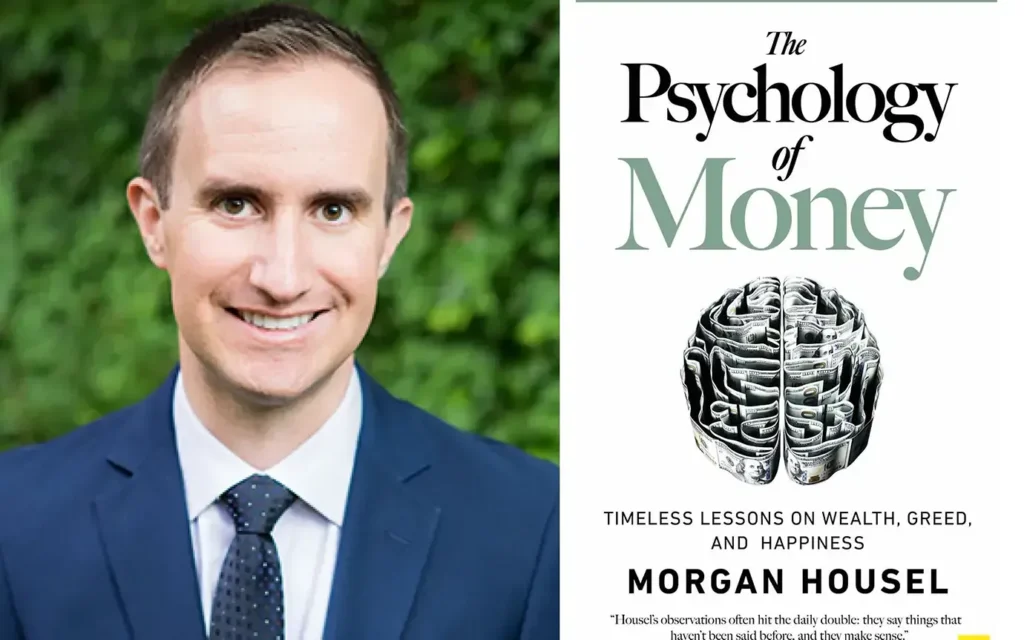
- Title: The Psychology of Money: Timeless Lessons on Wealth, Greed, and Happiness
- Author: Morgan Housel
- First Published: September 8, 2020
- Publisher: Harriman House
- Genre: Personal Finance, Behavioral Economics, Psychology, Self-Help
- Pages: Approximately 256 pages
- Reading Level: Beginner to Intermediate
- Average Reading Time: 5–7 hours
- ISBN: 978-0857197689
2. Quick Summary
The Psychology of Money is one of the most insightful modern books on personal finance, not because it teaches readers how to pick stocks or build investment portfolios, but because it explores the emotions and behaviors that influence financial decisions. Morgan Housel argues that success with money is driven less by intelligence and more by habits, patience, and self-control.
Through nineteen engaging essays filled with historical anecdotes, real-life stories, and timeless observations, Housel explains why people make irrational financial choices and how understanding human psychology can lead to better outcomes. He discusses topics such as compounding, risk, luck, greed, saving, wealth, and the importance of long-term thinking.
One of the book’s central ideas is that every person’s financial decisions are shaped by unique life experiences. What seems irrational to one person may make perfect sense to another based on their background and circumstances. Rather than offering universal rules, Housel encourages readers to develop a financial strategy that aligns with their own goals and temperament.
Accessible, practical, and thought-provoking, The Psychology of Money demonstrates that financial success is less about complex calculations and more about making consistently good decisions over time. It is a valuable read for anyone seeking not just wealth, but financial peace of mind.
3. About the Author
Morgan Housel is an American author, investor, and financial journalist. Formerly a columnist for The Motley Fool and The Wall Street Journal, he is known for making complex financial concepts understandable through compelling storytelling. His work focuses on the intersection of psychology, investing, and long-term wealth creation.
4. What Makes This Book Special?
Unlike many finance books filled with technical investment advice, The Psychology of Money focuses on the human side of money. Housel explains that financial success depends more on behavior than mathematical expertise.
The book is filled with memorable stories that make its lessons easy to understand and apply, regardless of a reader’s income or investing experience.
5. Core Concept
The central message of the book is:
Doing well with money is less about what you know and more about how you behave.
Patience, humility, discipline, and long-term thinking often matter more than finding the perfect investment.
6. Main Lessons from the Book
Lesson 1: Wealth Is What You Don’t See
Many people confuse spending with wealth.
True wealth is the money you save and invest—not the expensive lifestyle others can see.
Lesson 2: Compounding Is the Greatest Financial Advantage
Small, consistent investments made over long periods often outperform risky attempts to get rich quickly.
Time is the most valuable asset in investing.
Lesson 3: Luck and Risk Matter More Than We Admit
Financial success and failure are rarely determined by skill alone.
Recognizing the roles of luck and uncertainty encourages humility and better decision-making.
Lesson 4: Saving Creates Freedom
Saving money is not just about future purchases.
It provides flexibility, security, and the ability to make choices without financial pressure.
Lesson 5: Define “Enough”
Constantly chasing more can lead to unnecessary risks.
Understanding what is “enough” helps people enjoy wealth rather than becoming controlled by it.
7. Best Chapters
No One’s Crazy
Explains why people make different financial decisions based on their personal experiences.
Rating: ★★★★★
Compounding Compounds
Highlights how patience and consistency build extraordinary wealth over time.
Rating: ★★★★★
Confounding Compounding
Uses Warren Buffett’s career to illustrate the extraordinary power of long-term investing.
Rating: ★★★★★
Enough
A powerful reminder that knowing when to stop pursuing more is one of the greatest financial skills.
Rating: ★★★★★
8. Practical Ideas You Can Apply Today
- Build a habit of saving before spending.
- Invest consistently instead of trying to time the market.
- Avoid comparing your finances to others.
- Focus on long-term goals rather than short-term market movements.
- Maintain an emergency fund.
- Accept that uncertainty is part of investing.
- Define your own version of financial success.
9. Memorable Quotes
“Doing well with money has little to do with how smart you are and a lot to do with how you behave.”
“Wealth is what you don’t see.”
“The highest form of wealth is the ability to wake up every morning and say, ‘I can do whatever I want today.'”
10. Strengths
✅ Easy to read and highly engaging
✅ Practical lessons for readers at every financial stage
✅ Excellent storytelling
✅ Timeless advice rather than market predictions
✅ Encourages healthy financial habits
✅ Applicable across cultures and income levels
11. Weaknesses
- Less technical than traditional investing books.
- Some concepts overlap across chapters.
- Readers seeking detailed investment strategies may want additional resources.
12. Who Should Read This Book?
Ideal for:
- Young professionals
- Students
- First-time investors
- Entrepreneurs
- Families planning long-term finances
- Financial advisors
- Anyone interested in behavioral economics
Not ideal for:
- Readers seeking advanced stock analysis or technical investment methods.
- Experienced investors looking for complex portfolio strategies.
13. Key Takeaways
- Behavior matters more than intelligence in building wealth.
- Consistency beats occasional brilliance.
- Patience is a financial superpower.
- Saving creates opportunities and freedom.
- Wealth is built quietly over time.
- Luck and risk influence every financial journey.
- Financial happiness comes from defining your own goals.
14. Overall Rating
| Category | Rating |
|---|---|
| Readability | ⭐⭐⭐⭐⭐ (5/5) |
| Financial Insight | ⭐⭐⭐⭐⭐ (5/5) |
| Practical Value | ⭐⭐⭐⭐⭐ (5/5) |
| Inspirational Value | ⭐⭐⭐⭐⭐ (5/5) |
| Re-read Value | ⭐⭐⭐⭐⭐ (5/5) |
| Overall | ⭐⭐⭐⭐⭐ 5/5 |
15. Awards & Recognition
- New York Times Bestseller
- Sold millions of copies worldwide.
- Translated into dozens of languages.
- Frequently recommended by financial educators, investors, and business leaders.
- Recognized as one of the most influential personal finance books of the 21st century.
16. Where to Buy
- Amazon India
- Harriman House
- Barnes & Noble
- Bookshop.org
- Local independent bookstores
17. Similar Books You May Enjoy
If you enjoyed The Psychology of Money, consider reading:
- Rich Dad Poor Dad – Robert T. Kiyosaki
- The Millionaire Next Door – Thomas J. Stanley & William D. Danko
- The Intelligent Investor – Benjamin Graham
- Your Money or Your Life – Vicki Robin & Joe Dominguez
- I Will Teach You to Be Rich – Ramit Sethi
18. Final Verdict
The Psychology of Money stands out because it recognizes a truth often overlooked in personal finance: managing money is ultimately about managing yourself. Morgan Housel combines engaging stories with timeless lessons to show that discipline, patience, and emotional control are often more valuable than financial expertise.
Rather than chasing shortcuts to wealth, the book encourages readers to build sustainable habits that lead to long-term financial security and peace of mind. Its practical insights apply equally to beginners starting their financial journey and experienced investors seeking a healthier relationship with money.
If you’re looking for a finance book that will change not only how you invest but also how you think about wealth, success, and happiness, The Psychology of Money deserves a permanent place on your bookshelf.
Euonia Press Rating: ⭐⭐⭐⭐⭐ 5/5 – One of the finest modern books on personal finance, offering timeless lessons that are as much about human behavior as they are about money.